Spice Up Your Life: Why American Kitchens Are Going Crazy for Nigerian Flavors Right Now
The Spice Cabinet Getting a West African Makeover
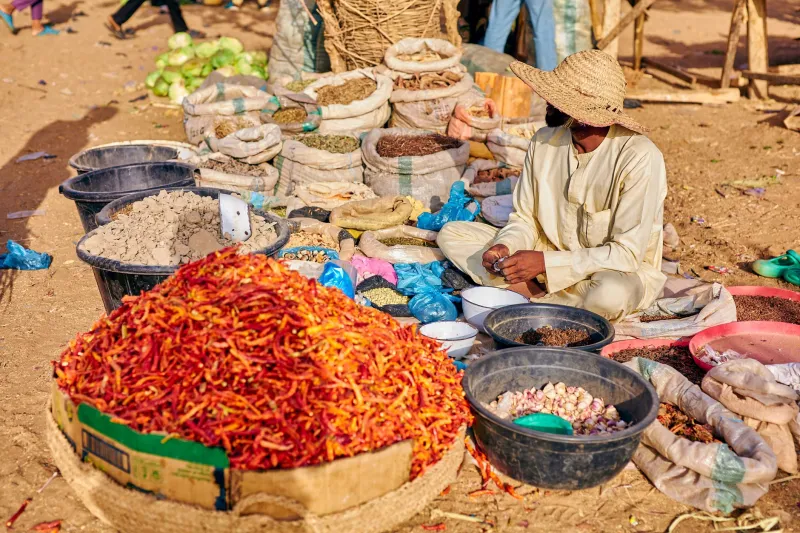
Something is happening in American kitchens, and it smells incredible. Over the past couple of years, a growing wave of home cooks — from food bloggers in Atlanta to line cooks in Portland — have started reaching past the usual cumin and paprika toward something a little more adventurous. Nigerian spices, once hard to find outside of specialty African grocery stores tucked into urban neighborhoods, are making a serious mainstream moment.
And honestly? It's about time.
Whether you stumbled across a TikTok recipe featuring suya spice or caught a segment on a food network show spotlighting West African cuisine, chances are you've felt a little curious. This article is for you — the cook who wants to know what all the fuss is about, where to actually buy these ingredients, and how to start using them without feeling totally lost.
Meet the Flavors Changing the Game
Let's start with the ingredients themselves, because Nigerian cuisine brings a pantry full of bold, nuanced flavors that don't have easy Western equivalents.
Grains of Paradise (also called alligator pepper or Aframomum melegueta) might be the most exciting one. These small, peppery seeds carry a warmth that's similar to black pepper but layered with floral, citrusy, and almost gingery notes underneath. Chefs love them because they add complexity without overwhelming a dish. Historically, they were so prized in medieval Europe that they were literally traded like gold. Now they're making a comeback — and Nigerian cuisine never stopped using them.
Calabash Nutmeg (Monodora myristica) is another heavy hitter. It's earthy, slightly sweet, and carries a depth that regular nutmeg just doesn't quite match. In Nigerian cooking, it shows up in soups, stews, and even some spice blends. Health-conscious cooks are also paying attention to its reported antioxidant properties and traditional uses in herbal wellness.
Then there's uziza leaf, ehuru, ogiri, and the ever-beloved suya spice blend — a dry rub built on ground peanuts, ginger, paprika, and a handful of other aromatics that turns grilled meat into something almost spiritual. If you've never had proper suya at a Nigerian cookout, consider this your formal invitation to fix that.
Nigerian-American Foodies Are Leading the Charge
Nobody is pushing this movement forward more enthusiastically than Nigerian-American food creators who grew up eating these flavors at home and are now sharing them with the world.
Take creators like those behind popular Instagram accounts and YouTube channels dedicated to Naija cooking — they'll tell you the same thing: the hardest part used to be sourcing ingredients. "I'd drive forty-five minutes to the one African store in my city just to get ehuru or ogiri," one Chicago-based food blogger shared with us. "Now I can order everything online and have it at my door in a few days. That's completely changed how often I cook these dishes."
Professional chefs are catching on too. Nigerian-influenced dishes have been popping up on menus at upscale restaurants in cities like New York, Houston, and Los Angeles — not as novelty items, but as serious culinary offerings that diners keep coming back for. Egusi soup, jollof rice, and pepper soup are no longer just comfort food for the diaspora. They're becoming dishes that adventurous American eaters actively seek out.
The Health Angle Nobody's Sleeping On
Beyond the incredible taste, there's a real wellness conversation happening around Nigerian spices. Many of these ingredients have been used in traditional medicine across West Africa for centuries, and modern research is starting to back up some of those claims.
Grains of paradise, for instance, have been studied for potential metabolism-boosting properties. Calabash nutmeg contains compounds that researchers have examined for antimicrobial effects. Uziza leaves are rich in antioxidants. Even the fermented locust beans used in dishes like egusi soup bring probiotic potential to the table.
This isn't about replacing your doctor's advice with a spice rack — but for health-minded home cooks who are already thinking carefully about what goes into their food, Nigerian ingredients offer a genuinely exciting combination of bold flavor and nutritional interest.
So Where Do You Actually Buy This Stuff?
Here's where it gets practical, because knowing about grains of paradise doesn't help much if you can't find them.
Your local supermarket — even a well-stocked Whole Foods — is probably going to let you down. Some specialty stores and international markets carry a limited selection, but availability is inconsistent and quality can vary widely. Dried spices that have been sitting on a shelf for too long lose their potency fast, and with ingredients this nuanced, freshness actually matters.
This is exactly where platforms like NaijaMartBay come in. The whole idea behind NaijaMartBay is to connect American buyers directly with quality African products — including authentic Nigerian spices and seasonings — without the hassle of hunting down a specialty store or settling for whatever's available locally. Think of it as bringing the market to you, regardless of whether you live in Lagos or Louisville.
When you're shopping for Nigerian spices online, here are a few things to keep in mind:
- Check for whole versus ground options. Whole spices like grains of paradise hold their flavor longer. Buy whole when you can and grind fresh.
- Look for clear sourcing information. Reputable sellers will be upfront about where their products come from.
- Start with a spice bundle or sampler. If you're new to Nigerian cooking, grabbing a curated set of essential spices is a great way to experiment without committing to large quantities of things you've never cooked with.
- Read reviews from other buyers. The Nigerian-American community is vocal about authenticity — other customers will tell you quickly if a product doesn't measure up.
Your First Nigerian Spice Adventure Starts Here
If you're not sure where to begin, suya spice is probably your most approachable entry point. Rub it on chicken thighs, grill them up, and serve with sliced onions and tomatoes. It's a crowd-pleaser that'll have people asking what your secret is.
Once you're comfortable, branch out. Try adding calabash nutmeg to a slow-cooked beef stew. Experiment with grains of paradise in a homemade spice blend. Attempt a pot of pepper soup on a cold weekend — it's warming, deeply flavorful, and genuinely one of the most satisfying things you can make.
American cooking has always evolved by absorbing the best of what other cultures bring to the table. Nigerian cuisine is the next great chapter in that story, and the flavors are more than ready for their moment.
Your kitchen is ready too. You just need the right spices to get started — and now you know where to find them.