Ankara to America: Why African Fashion Is Having Its Biggest Moment Yet
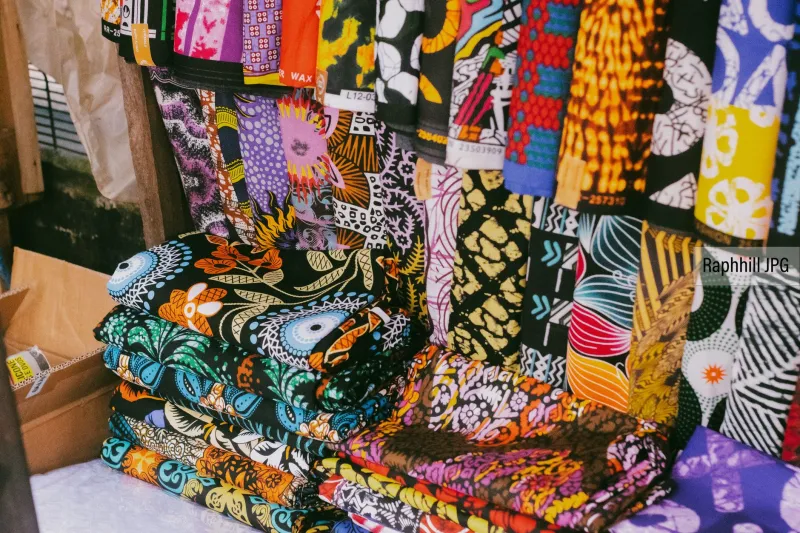
Walk through any major US city right now — Atlanta, Houston, New York, LA — and something is different. The prints are bolder. The silhouettes are more intentional. The fabrics carry stories. African fashion, and Nigerian design in particular, has quietly moved from niche cultural celebration to full-blown style statement, and American consumers are here for every stitch of it.
This isn't a trend born overnight. It's the result of years of hustle, creativity, and a growing appetite among American shoppers for fashion that actually means something.
More Than Just a Pretty Print
Let's be honest — Ankara fabric stops you in your tracks. Those geometric patterns, the saturated colors, the way a well-cut Ankara blazer can make a Tuesday feel like a celebration. But for Nigerian designers, the aesthetic is just the entry point.
Every pattern in African textile tradition carries cultural weight. Certain prints are tied to specific regions, ceremonies, or family histories. When a Lagos-based designer sends a collection to a boutique in Los Angeles, they're not just shipping clothes — they're exporting context, identity, and a visual language that's been refined across generations.
That depth is exactly what's resonating with American buyers who are increasingly tired of fast fashion's disposable sameness. People want to wear something with a story. African fashion delivers that in abundance.
Nigerian Designers Are Done Waiting for a Seat at the Table
For a long time, African designers faced a frustrating reality: their work was admired, referenced, and sometimes outright copied by Western brands, but they rarely got the direct consumer access or mainstream recognition they deserved. That dynamic is shifting fast.
Designers from Lagos, Abuja, and beyond are now building direct-to-consumer pipelines that bypass traditional gatekeepers entirely. Platforms like NaijaMartBay have become a crucial piece of that puzzle, giving African brands a dedicated marketplace to reach US buyers who are actively searching for authentic African goods — not watered-down interpretations of them.
For small and mid-sized Nigerian fashion labels, that kind of platform access is genuinely game-changing. You don't need a physical storefront in Manhattan. You don't need a distributor with a US office. You need great product, a compelling story, and a marketplace that connects you with the right audience.
What American Style Influencers Are Saying
Scroll through the feeds of Black American style influencers and you'll notice African fashion showing up constantly — not as costume, but as everyday wardrobe. That shift in how the clothing is being worn and presented is significant.
Influencers aren't just styling Ankara for Juneteenth or cultural festivals anymore. They're pairing African print skirts with vintage denim jackets. They're wearing hand-embroidered Nigerian kaftan tops to brunch. They're mixing Adire-dyed pieces with sneakers. The styling is casual, personal, and deeply American — which is exactly why it's landing with broader audiences.
This kind of organic integration into everyday American style does more for African fashion brands than any ad campaign could. It communicates that these pieces belong in regular life, not just special occasions.
The Economics Are Real
Beyond the cultural conversation, there's a serious economic story unfolding here. The African fashion industry is projected to be worth over $15 billion globally in the coming years, and the US market represents one of its biggest growth opportunities.
African diaspora communities in the US — Nigerians, Ghanaians, Senegalese, and others — have long supported African brands through personal imports, suitcase shopping during home visits, and word-of-mouth networks. But the market has grown well beyond diaspora buyers. Mainstream American consumers, particularly younger shoppers in the 25-40 demographic, are actively seeking out African brands as part of a broader move toward conscious, culturally rich purchasing.
For Nigerian entrepreneurs specifically, platforms that bridge the gap between their products and US buyers represent real income diversification. Selling internationally isn't just a vanity move — it's a business strategy that protects against local currency volatility and opens up a consumer base with significantly higher purchasing power.
Accessories, Jewelry, and the Full African Aesthetic
Fashion is never just clothing, and the African style wave hitting American shores includes the full package. Beaded jewelry, hand-carved wooden accessories, leather goods from Nigerian artisans, and woven bags are all part of what American consumers are discovering and falling for.
Nigerian jewelry designers in particular are gaining serious traction. Chunky beaded necklaces, Yoruba-inspired ear cuffs, and brass statement pieces are showing up on everything from fashion week street style coverage to everyday Instagram posts. The craftsmanship is undeniable, and the fact that each piece is often handmade adds to the appeal for buyers who are deliberately moving away from mass-produced accessories.
NaijaMartBay's marketplace includes many of these artisan sellers — makers who might not have the resources to build their own e-commerce infrastructure but absolutely have the talent and product quality to compete in the US market.
Where This Is All Heading
The honest answer is that African fashion's presence in the American market is going to keep growing, and the brands that establish themselves now are positioning for serious long-term wins.
A few things are fueling that trajectory. First, the African diaspora in the US continues to grow and remains deeply connected to home cultures. Second, American consumers broadly are becoming more intentional about supporting independent, culturally significant brands. Third, social media has flattened the world in ways that make a designer in Lagos just as discoverable as one in New York — sometimes more so, because the story is more compelling.
For anyone who's been sleeping on African fashion, consider this your wake-up call. The prints are loud on purpose. The craftsmanship is deliberate. And the designers behind these pieces have been building toward this moment for a long time.
If you're ready to explore what Nigerian and African fashion actually looks like — not the runway editorial version, but the real, wearable, beautifully made stuff — NaijaMartBay is a solid place to start. Africa's market, delivered to your door. That includes the wardrobe upgrade you didn't know you needed.