Cut Out the Middleman: How Black Beauty Entrepreneurs Are Going Straight to Nigeria for Their Ingredients
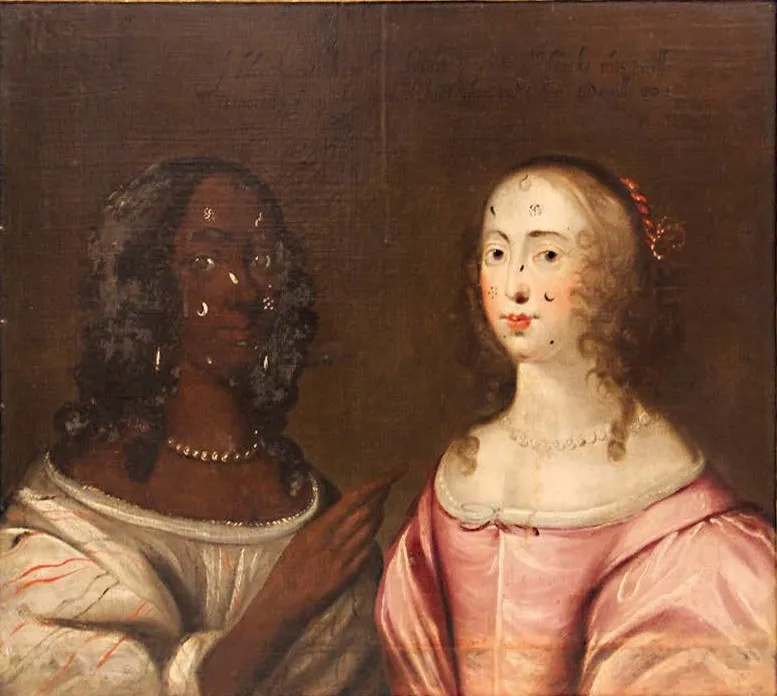
Photo: Unknown authorUnknown author , Public domain, via Wikimedia Commons
For years, the beauty supply chain worked like a game of telephone. A Nigerian farmer harvests raw shea butter. A middleman buys it cheap. A European processor refines it. An American distributor marks it up. And finally, a Black-owned brand in Atlanta or Houston pays top dollar for something that started in West Africa at a fraction of the cost.
That game? A lot of entrepreneurs are done playing it.
Across the US, a new generation of Black beauty founders is going direct — skipping the layers of intermediaries and building relationships straight with Nigerian manufacturers, co-ops, and ingredient suppliers. The results are reshaping not just their bottom lines, but the entire industry's understanding of where quality actually comes from.
Why Nigeria, Why Now
Nigeria has always been a powerhouse when it comes to beauty-grade raw materials. Shea butter, black soap, moringa oil, hibiscus extract, African black seed — the country sits on a goldmine of ingredients that global beauty consumers are actively seeking out. But for a long time, accessing those ingredients directly from the source felt out of reach for small US brands.
That's changing fast. Better international logistics, the rise of B2B platforms connecting African suppliers with global buyers, and a post-pandemic boom in diaspora-led trade networks have all made direct sourcing a realistic option — even for brands doing modest volume.
"I was paying a distributor in New Jersey almost three times what I now pay working directly with a cooperative in Ondo State," says one beauty founder based in Dallas who runs a natural hair care line. "And the quality is actually better. I know exactly where the shea is coming from. I can trace it."
That traceability matters — a lot. Consumers are increasingly skeptical of vague "African-inspired" branding slapped onto products with questionable supply chains. Being able to say your raw shea was sourced from a women's cooperative in southwestern Nigeria carries real weight with today's ingredient-conscious buyer.
The Logistics Hustle Is Real
None of this comes without friction. Anyone who tells you direct sourcing from Nigeria is plug-and-play is either lying or hasn't tried it yet.
Customs documentation, shipping timelines, quality control across distance, minimum order quantities, currency exchange — the challenges stack up quickly. Several founders interviewed for this piece described their first attempts at direct sourcing as expensive learning experiences.
"My first shipment got held up at customs for almost three weeks," recalls a skincare entrepreneur from Chicago. "I didn't have the right paperwork and I didn't know what I didn't know. But once I figured it out, I was never going back to the old way."
The key, most founders agree, is building genuine relationships rather than just transactional ones. That means video calls, sometimes visits, and a willingness to understand how business works on the other side of the deal. Nigerian suppliers who feel like partners — not just vendors — tend to be far more invested in helping shipments go smoothly.
Some brands are also leaning on diaspora networks to bridge the gap. Nigerian-Americans with family connections or business contacts back home have become informal connectors, helping US brands navigate supplier vetting, logistics, and quality checks on the ground.
What It Means for the Industry
The ripple effects of this shift go well beyond individual brand margins. When US beauty companies source directly from Nigeria, money flows differently. Instead of pooling at the distributor level in the US, value starts moving earlier in the chain — reaching farmers, cooperatives, and small processors in Nigeria who previously saw very little of the final retail dollar.
That's not just feel-good economics. It's the kind of trade relationship that builds real, lasting wealth on both ends.
For the broader beauty industry, the shift is also forcing a conversation about authenticity. There's a difference between a brand that licenses the word "African" for marketing purposes and one that actually has a Nigerian supplier on speed dial. Consumers are getting better at telling the difference, and brands that can back up their story with receipts — literally — are winning the trust game.
Larger distributors and beauty conglomerates are starting to pay attention, too. A few have begun acquiring or partnering with smaller brands that have already cracked the direct-sourcing model, essentially buying the relationships these founders spent years building.
Platforms Are Making It Easier
One of the biggest accelerants in this space is the emergence of marketplaces and platforms — like NaijaMartBay — that are specifically designed to connect African sellers with buyers in the diaspora and beyond. Rather than cold-emailing manufacturers or navigating language barriers and time zones alone, brands can browse verified suppliers, compare pricing, and initiate contact in a structured environment.
For a small beauty brand that can't afford to fly to Lagos for supplier meetings, that kind of access is genuinely transformative. It levels a playing field that was previously tilted heavily toward bigger players with established import infrastructure.
"Platforms like this are doing what the middlemen used to do, but without eating your entire margin," one founder put it bluntly. "They're connecting the dots without owning the whole picture."
The Bigger Picture
What's happening in the beauty supply chain is really a microcosm of a much larger story — the story of the African diaspora reclaiming economic relationships with the continent on its own terms.
For too long, trade between Africa and the US has been mediated by institutions and intermediaries that extracted value at every step. The direct-sourcing movement in beauty is one small but meaningful example of what happens when those barriers come down and people on both sides of the Atlantic can actually do business with each other.
The brands leading this charge aren't just saving money. They're building something — supply chains with real roots, products with real provenance, and business models that can grow without selling out the communities that made them possible.
And for Nigerian suppliers finally getting fair-market access to one of the world's biggest consumer economies? That's not a small thing either.
Africa's market is moving. And for once, it's moving on its own terms.