Made in Nigeria Is Not a Warning Label—It Is a Quality Signal
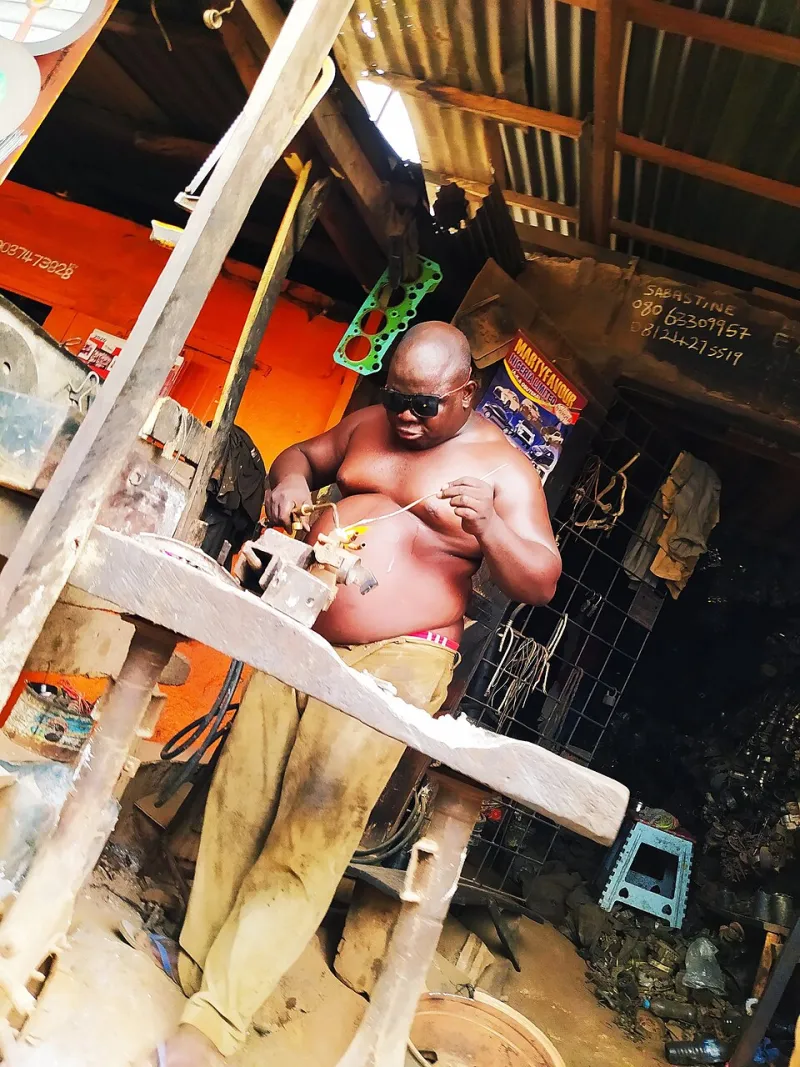
Photo: Tech.Felix, CC BY-SA 4.0, via Wikimedia Commons
In the U.S. market, a label that says Made in Nigeria still triggers a pause. Sometimes it is a polite pause. Sometimes it is a full stop. The assumption is that the product might be lower quality, inconsistent, or somehow riskier than goods from other countries. That assumption had a shelf life. In 2026, it is expired.
This is not a plea to lower standards. It is an argument for updating them. Nigerian makers are not asking for a pass. They are asking for the same thing every serious brand wants: to be judged on the product, not the passport.
The stereotype has a shelf life
There was a time when Nigerian manufacturing struggled with infrastructure, counterfeit goods, and inconsistent export systems. That history is real. But history is not destiny. The Nigerian brands reaching U.S. shoppers today are operating in a different reality: better packaging, batch testing, export documentation, and a generation of founders who grew up online and know exactly how a bad review travels.
The warning-label mindset treats every Nigerian product as a gamble. That is not quality control. That is bias with a clipboard.
Quality control is not an accident
Walk into a serious Nigerian beauty lab and you will find the same things you find in a serious U.S. lab: ingredient logs, batch numbers, stability testing, and packaging checks. Nigerian fashion houses showing at international trade shows understand fit standards, fabric testing, and production timelines. Food processors chasing U.S. retail shelves invest in FDA-registered facilities and label compliance because they have to.
Brands like House of Tara and Zaron have built loyal followings in Nigerian beauty by treating formulation and packaging as non-negotiables. Designers like Lisa Folawiyo and Andrea Iyamah have earned international attention by competing on craft, not novelty. These are not exceptions that prove the rule. They are evidence that the rule has changed.
What U.S. standards actually require
U.S. shoppers often say they want products that meet American standards without realizing how broad that phrase is. For cosmetics, the FDA does not pre-approve every product, but facilities must register and products must be labeled accurately under laws like MoCRA. For food, FDA registration and prior notice requirements apply to imports. For general consumer goods, safety and labeling rules vary by category.
The point is not that every Nigerian maker is automatically compliant. The point is that compliance is achievable, and many Nigerian makers are already doing it. The smarter question is not Is this from Nigeria? It is Does this seller know the rules and can they show it?
Success stories that do not make headlines
Most of the Nigerian quality story is not glamorous. It is a shea butter cooperative that invested in better filtration so its product does not smell smoky. It is an Aba shoemaker who switched to imported soles because U.S. customers complained about wear. It is a Lagos candle studio that started double-boxing glass vessels after one too many breakages.
These are small operational decisions, but they add up to a different reputation. They also explain why U.S. small businesses are increasingly going direct to Nigerian makers for ingredients, textiles, and finished goods. The buyers who do their homework are not finding a liability. They are finding margin, story, and differentiation.
Why the warning-label mindset costs shoppers
When you treat Made in Nigeria as a red flag, you do not protect yourself. You narrow your options. You pay a middleman to reassure you. You miss products that are more interesting, more traceable, and often better priced than the mass-market alternative.
The mindset also harms Nigerian makers who are doing the work. A brand that invests in testing and packaging still gets lumped in with every low-effort exporter. That is not a quality problem. That is a marketing problem—and it is one U.S. shoppers can help fix by asking better questions.
How to shop with a quality lens
Ask for batch numbers or production dates. Look for ingredient lists, care instructions, and clear sizing. Check whether the seller has a U.S. return address or a domestic fulfillment partner. Read reviews for specifics, not just star ratings—did the color match, did the scent last, did the shoe run narrow? If a seller cannot answer basic questions about materials or compliance, that is a signal. But it is a seller signal, not a country signal.
The narrative we should be building
Made in Nigeria should mean craft, resilience, and innovation. It should mean a founder who figured out how to ship glass without breaking it, a fashion house that trains its tailors, a food brand that prints a proper nutrition label. It should be a selling point, not a warning label.
At NaijaMartBay, that is the standard we are building toward: African goods presented with the context, transparency, and quality checks U.S. shoppers expect. Not because Nigerian products need special handling. Because they deserve the same fair read as everything else on the shelf.