The Real Price Tag on African Goods: What U.S. Shoppers Actually Pay in 2026
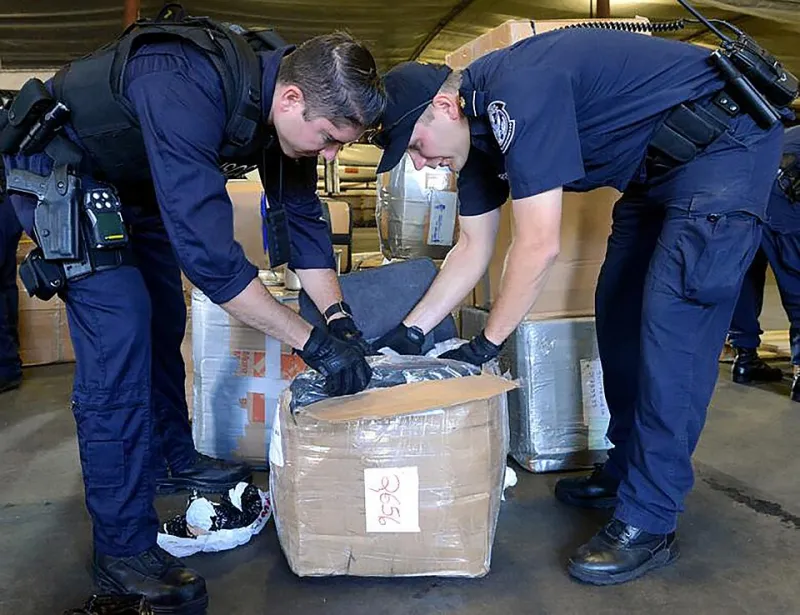
Photo: U.S. Customs and Border Protection, Public domain, via Wikimedia Commons
You see a handwoven basket from Kano listed at $48. You click checkout. By the time shipping, duties, and a handling fee land, you are staring at $91. That gap is not a scam. It is the anatomy of cross-border e-commerce—and in 2026, more U.S. shoppers are running into it as African goods move from niche to normal.
The sticker price is just the starting line
Every order from a Nigerian or African seller carries layers. Product cost is one. International shipping is another. Then come customs duties, carrier brokerage fees, payment conversion, packaging, and sometimes a return deposit. Marketplaces that show one all-in number are doing you a favor. Sellers that do not are leaving you to guess.
Shipping: why a light candle can cost more than a heavy book
Shipping is priced by weight and volume. A 10-ounce candle in a bulky gift box can cost more to fly than a compact 2-pound book. From Lagos to New York, express service can run 5–8 business days. Standard air freight often takes 10–21 days. Economy consolidation can stretch to 3–6 weeks. Sea freight is cheaper per unit but only makes sense for bulk orders. If a seller quotes free shipping, look closely: the cost is probably baked into the product price.
Customs and duties: the part that makes people gasp
U.S. customs duties depend on the product's harmonized tariff code, country of origin, and declared value. The de minimis rule—long set at $800—has been under review and adjustment in recent years, so verify current CBP guidance before assuming a shipment will clear duty-free. Some marketplaces collect duties at checkout, which is called delivered duty paid, or DDP. Others ship DDU, which means the carrier can bill you before delivery. That bill may include the duty plus a brokerage fee. A $12 duty can turn into a $28 charge.
The hidden fees nobody puts on the product page
Currency conversion can add 2–4%. Payment processors may charge international transaction fees. Insurance is optional but wise for handmade or fragile goods. If you miss a delivery, re-delivery fees apply. Returns are the biggest trap: sending a $30 item back to Lagos can cost $25 or more, which is why many cross-border sellers offer final sale or exchange-only policies. Packaging matters too. A beautiful wooden bowl may arrive in a box that adds two pounds of volumetric weight.
How to budget without guessing
Use a simple landed-cost formula: product price + shipping + estimated duty + handling + a 3–5% currency buffer. Ask the seller directly whether they ship DDP. Check reviews for phrases like surprise customs fee or carrier charged extra. Bundle multiple items into one shipment to spread the shipping cost. Skip rush shipping unless the gift deadline truly requires it. And compare a marketplace's all-in checkout price against a standalone seller's base price—not the other way around.
Return policies: read before you click
Cross-border returns are expensive and slow. Look for sellers with a U.S. return address or a domestic hub. Confirm the window—14 days is common; 30 is generous. Ask who pays return shipping for defects. Get photos of the actual item before shipping if you are buying something high-value. If the policy says no returns, decide whether you are comfortable with that risk.
Green flags and red flags
Green flags: upfront duties, tracked shipping, clear delivery windows, responsive seller, real photos, and a return policy written in plain language. Red flags: free shipping with suspiciously low product prices, no mention of duties, vague timelines, pressure to pay outside the platform, and reviews that mention unexpected carrier bills.
The bottom line
The real cost of buying African goods online is not just the number at checkout. It is the time, the uncertainty, and the fees that show up later. In 2026, the smartest move is to shop with sellers and marketplaces that bundle costs upfront. NaijaMartBay's whole pitch is built around that idea: Africa's market, delivered to your door—without a side of invoice shock.