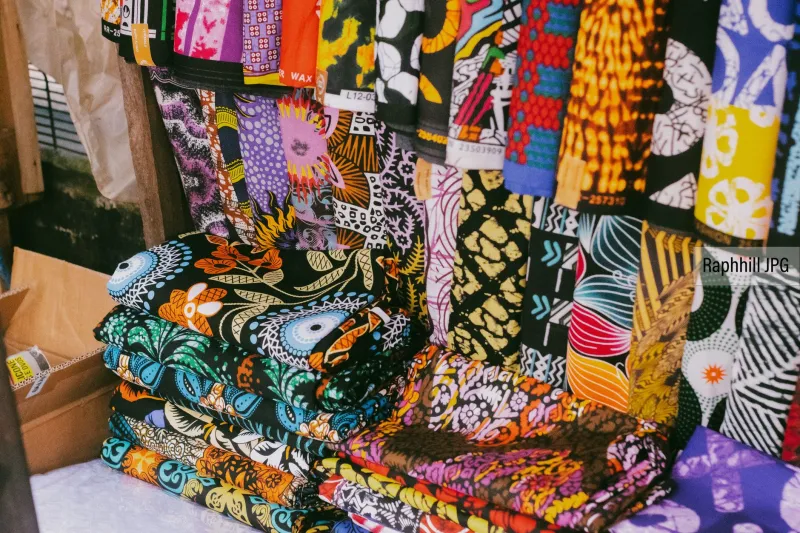
Bringing the Continent Home: How African Décor Is Rewriting the Rules of American Interior Design
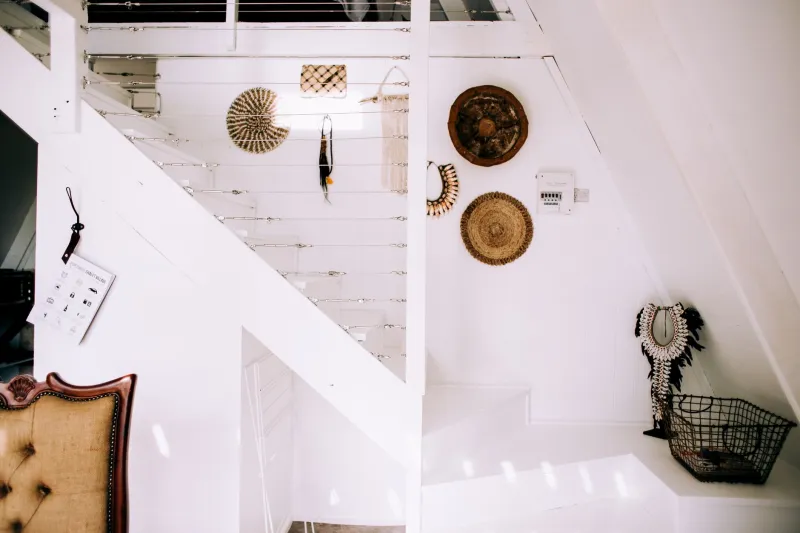
Something is shifting in the American living room. Walk through the trendiest neighborhoods in Brooklyn, Atlanta, or Austin right now, and you'll start noticing a pattern — rich earth tones, bold geometric textiles, hand-carved wooden accents, and statement baskets stacked in corners with effortless cool. African home décor has arrived, and it's not going anywhere.
This isn't just a Pinterest trend that'll fade by next season. Interior designers across the US are actively seeking out authentic African artisanal pieces to anchor their projects, and everyday homeowners are catching on fast. The demand for goods that feel intentional, handcrafted, and culturally rooted has never been stronger — and Africa's rich tradition of craft and design is proving to be a near-perfect answer.
Why African Design Speaks to the American Home Right Now
American interior design has spent years cycling through minimalism, farmhouse chic, and Scandinavian cool. While those aesthetics have their place, a lot of people are craving something with more warmth — more texture, more personality, more life. African design delivers all of that in abundance.
Think about the visual language of West African craft: deep terracotta and ochre tones that warm up any room, intricate patterns that draw the eye without overwhelming the space, and natural materials like wood, raffia, and clay that bring an organic grounding to modern interiors. It's a design philosophy that values both beauty and function, and it translates beautifully into contemporary American spaces.
Designers also point to the storytelling quality of African pieces. A hand-carved wooden mask from Nigeria isn't just wall décor — it's a cultural artifact with history and meaning. That depth is something mass-produced furniture simply cannot replicate.
The Pieces Making Waves Right Now
So what exactly are people shopping for? A few categories are leading the charge.
Woven Baskets and Storage Vessels Perhaps no African craft item has crossed over into mainstream American homes more seamlessly than the woven basket. Traditionally used across West and East Africa for storage, ceremony, and trade, these baskets are now showing up as laundry hampers, magazine holders, fruit bowls, and decorative wall art. The craftsmanship — tight coils of grass, seagrass, or raffia in bold patterns — makes them genuinely beautiful objects in their own right. NaijaMartBay carries a rotating selection of handwoven baskets sourced directly from Nigerian artisans, in sizes ranging from small tabletop pieces to large floor statement baskets.
Hand-Carved Wooden Furniture and Accents Carved wooden stools, side tables, and decorative figurines are another big draw. West African woodcarving is a tradition that goes back centuries, and the results — smooth finishes, bold silhouettes, and intricate detailing — fit surprisingly well into modern American interiors. A low carved wooden stool works as a coffee table accent. A pair of carved bookends anchors a shelf. These pieces don't shout for attention; they earn it.
Beaded Accessories and Decorative Objects Beadwork is one of Africa's most visually striking craft traditions, and beaded decorative objects are having a major moment in American homes. Beaded gourds, decorative bowls, and wall hangings bring color and texture to spaces that need a focal point. They work especially well in entryways and on gallery walls.
Masks and Wall Art African masks have long been coveted by collectors and art lovers, but they're increasingly finding their way into everyday home design rather than being locked away in curio cabinets. Displayed thoughtfully on a gallery wall or as a standalone statement piece, a well-chosen mask adds an artistic anchor to any room. NaijaMartBay offers a curated selection of decorative masks that honor their craft origins while being designed for contemporary display.
Real People, Real Rooms
Tamika R., a homeowner in Charlotte, North Carolina, started her African décor journey with a single woven basket she spotted on NaijaMartBay. "I just needed something for my bathroom, honestly," she laughs. "But when it arrived and I saw how beautiful it was — the pattern, the texture — I started rethinking the whole room. Now I have three baskets, a carved wooden mirror frame, and beaded curtain tiebacks. My bathroom looks like a boutique hotel."
For Marcus and Denise L. in Houston, the shift was more deliberate. "We wanted our home to reflect our heritage in a real way, not just through photos on the wall," Marcus explains. "We started ordering pieces from NaijaMartBay because we knew the items were actually coming from African artisans. That matters to us. Every piece in our living room has a story, and we can actually tell it."
How to Style African Pieces Without It Feeling Like a Theme Park
One concern people often have is going overboard — ending up with a space that feels like a costume rather than a home. The good news is that African décor integrates beautifully into almost any existing style when approached with intention.
Start with one anchor piece. Choose one statement item — a large woven basket, a carved wooden side table, or a striking mask — and let the rest of the room breathe around it. You don't need to redecorate everything at once.
Work with your existing color palette. African craft tends to lean into earthy, natural tones — browns, rusts, creams, deep greens — which means it plays well with most existing color schemes. If your home is neutral-toned, African pieces will add warmth without clashing.
Mix textures freely. One of the strengths of African artisanal pieces is their rich tactile quality. Pair a smooth carved wooden stool with a linen sofa, or place a raffia basket next to a sleek ceramic lamp. Contrast is your friend.
Don't over-explain. You don't need to turn every piece into a lecture. Let the objects speak for themselves. Guests will ask — and that's when the real conversation starts.
Shopping African Artisan Goods the Right Way
One of the most meaningful aspects of the African home décor movement is what it means for the artisans behind the pieces. When you buy a hand-carved stool or a woven basket through NaijaMartBay, you're not buying something cranked out in a factory. You're supporting skilled craftspeople — many of them working in small workshops or family operations — whose traditions and livelihoods depend on finding global markets for their work.
NaijaMartBay was built around exactly that connection: bringing authentic African goods directly to American buyers while keeping the supply chain honest and the artisans fairly compensated. It's Africa's market, delivered to your door — and right now, that market is delivering some of the most interesting design objects available anywhere.
Whether you're a seasoned interior design enthusiast or someone who just picked up a beautiful basket and can't stop thinking about what else might work in your space, the world of African home décor has something genuinely exciting waiting for you. Start small, shop intentionally, and let the pieces do the talking.