That 'African' Label Doesn't Always Mean Made in Africa. Here's How to Check.

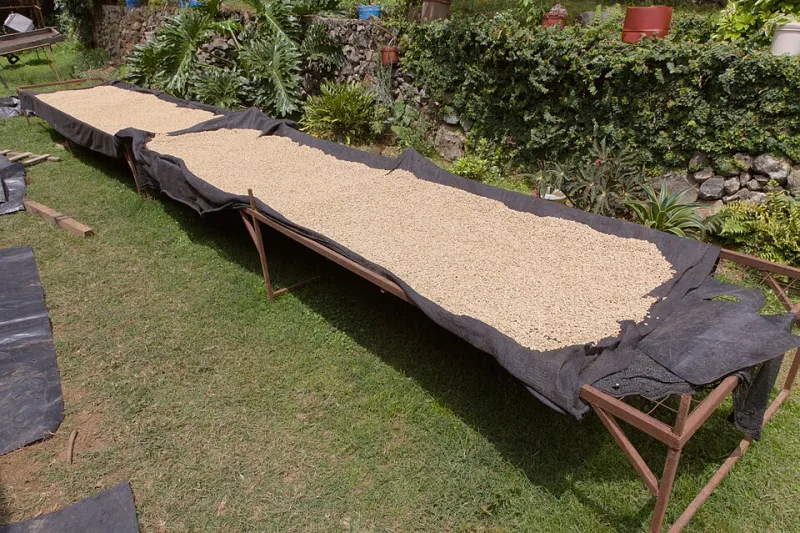
Photo: Giles Laurent, CC BY-SA 4.0, via Wikimedia Commons
Americans are buying more African-made goods than ever, and that is mostly good news. The problem is the gray zone that has opened up alongside the growth: products that borrow African aesthetics, African words, and African-looking packaging without much African production behind them. In 2026, with more US shoppers buying pantry staples, skincare, and home goods online, provenance has moved from a nice-to-have to a real buying criterion. The question is how to check it without turning every purchase into a research project.
Why Provenance Became a Shopping Issue
The short answer is trust. When you buy a jar of spice or a bar of soap online, you cannot smell it, touch it, or ask the person behind the table at a market. You are relying on the listing. And listings are written by sellers, which means they are marketing documents first and disclosure documents second. That is not a scandal. It is just how e-commerce works. The risk is that a vague phrase like African-inspired or continent-sourced can quietly stand in for the thing most shoppers actually want: a product made by a specific person or workshop in a specific place.
There is also a price story. Products with a real origin often cost more because the maker is not competing solely on volume. When a suspiciously cheap item claims to be handmade in Africa, the better question is not whether it is a bargain. The better question is who made it and where the materials came from.
The Label Is a Starting Point, Not a Receipt
A country-of-origin label matters, but it is not proof of much on its own. Look for a full maker name, a city or region, and a contact address that is not just a web form. A label that says Made in Nigeria is more useful than one that says African, but it still does not tell you whether the shea butter was refined elsewhere or whether the jewelry was assembled from imported components. That is not always a dealbreaker. Plenty of legitimate products use imported inputs. The issue is whether the seller is honest about it.
Sourcing claims deserve the same scrutiny. Words like small-batch, hand-poured, and ethically sourced are meaningful only when they are attached to something checkable: a farm name, a cooperative, a production facility, a batch number. If a listing uses three feel-good phrases and zero specifics, treat it as decoration, not documentation.
Four Clues That Usually Hold Up
First, consistency. A real maker tends to have a coherent story across the website, the packaging, and the marketplace listing. The region named in the product description should match the region named on the label. Second, batch information. Food and skincare products from serious small producers often carry batch codes or production dates because the maker expects to be asked. Third, ingredient language. A Nigerian black soap listing that names local ingredients and explains the process is more convincing than one that repeats the same three marketing adjectives. Fourth, a real address. Not a virtual mailbox in Delaware, but a place you could theoretically send a letter to.
None of these clues is foolproof on its own. Together, they raise the cost of faking a product, which is the point.
Where Good Packaging Goes Bad
Packaging can be a useful signal, but not in the way most shoppers think. Beautiful packaging proves that someone invested in design. It does not prove where the product was made. In fact, the most polished listings are sometimes the least specific, because polish can hide a thin supply chain.
Watch for these patterns: a brand name that sounds African but no named founder or workshop; stock photos of generic ingredients instead of the actual product; a About Us page that talks about a continent rather than a community; and wildly inconsistent labeling across flavors or sizes. Those do not prove fraud. They do suggest that provenance is not the seller's priority.
What a Vetted Marketplace Should Show You
This is where platform design matters. A marketplace that wants to sell African products credibly should make verification visible. That means vendor profiles with a named contact, a production location, and a clear explanation of what the platform checked. It should also make it easy to report a misleading listing and easy to see whether a vendor has a track record.
NaijaMartBay's approach is built around connecting buyers to Nigerian makers rather than to a generic continental category. That does not mean every listing is perfect. It means the platform has a reason to care about provenance, because its value depends on buyers trusting that the products are what they say they are. When you shop on any marketplace, look for the same things: a real vendor identity, a returns policy that is written in plain language, and reviews that mention delivery and product condition, not just vibes.
A Simple Buying Script
If you are unsure, ask the seller two questions before you buy: Where exactly was this made, and who made it? A serious vendor will answer with a place and a person or team. A vague vendor will answer with a paragraph about heritage. You do not need to be rude about it. You are just doing the same thing you would do at a farmers market: looking the seller in the eye and asking where the tomatoes came from.
The authenticity trap is not that every product is fake. It is that the word African has become broad enough to mean almost anything. The fix is not cynicism. It is specificity. Buy from sellers who are specific, and the good ones will make it easy.