Why Silicon Valley Is Finally Looking to Lagos for Its Next Big Idea

For years, the story of African innovation got buried under outdated narratives. But flip the script in 2024, and you'll find something pretty remarkable: venture capitalists in San Francisco are hopping on flights to Lagos, Accra, and Nairobi — not to do charity work, but to write checks. Big ones.
Africa's tech ecosystem has quietly transformed into one of the most exciting investment frontiers on the planet. And at the center of that story? Nigeria. A country with over 220 million people, a median age under 19, and a population that has essentially leapfrogged legacy banking infrastructure entirely. If you're looking for where the next generation of world-changing companies is being built, the answer might just be sitting in a co-working space on Lagos Island.
The Numbers Don't Lie
African tech startups raised over $3 billion in venture funding in recent years, with Nigerian companies consistently pulling in the largest share of that capital. Fintech alone accounts for roughly 40% of all deals on the continent. That's not a blip — that's a trend.
Companies like Flutterwave, Paystack (which Stripe snapped up for a reported $200 million), and Opay have rewritten what financial access looks like for hundreds of millions of people who never had a traditional bank account. These aren't copycat Silicon Valley products. They're original solutions built for real, complex, African market conditions — and they're working.
When Stripe acquired Paystack, it wasn't just buying a payments processor. It was buying proof that African founders could build infrastructure-level technology that scales. That deal sent a signal to the rest of the VC world: pay attention.
Solving Problems the Rest of the World Hasn't Thought Of Yet
Here's what makes African tech founders different from their counterparts in San Francisco or Austin: they're not optimizing for convenience. They're building for survival, scale, and systems that barely exist yet.
Take logistics. In the US, you order something on Amazon and it shows up in two days. In Lagos, that same supply chain challenge involves navigating some of the world's most congested urban traffic, informal address systems, and a last-mile delivery puzzle that would make most American logistics engineers sweat. Startups like Kobo360 and MAX.ng are cracking that code — and in doing so, they're developing logistics tech that could eventually reshape how goods move across emerging markets worldwide.
Or consider healthcare. African healthtech startups are building telemedicine platforms, drug distribution networks, and diagnostic tools for populations that are massively underserved by traditional infrastructure. The ingenuity required to make those systems work? That's the kind of problem-solving muscle that translates globally.
Why American Entrepreneurs Should Be Taking Notes
If you're a founder in the US, the African tech boom isn't just an interesting news story — it's a masterclass in resourcefulness. Building with less, moving faster, and finding product-market fit in environments where the stakes are existential rather than just financial? That's a different kind of pressure, and it produces a different kind of founder.
More practically, American entrepreneurs who are thinking globally need to start including Africa in that picture. The continent is projected to have the world's largest workforce by 2040. Its middle class is growing. Its cities are expanding at a pace that dwarfs most of the developed world. The consumer markets being built right now in Nigeria, Kenya, Ghana, and beyond are going to be enormous — and the companies positioned inside those markets today will have a serious first-mover advantage.
For anyone in e-commerce specifically, that's a conversation worth having. The infrastructure being built to move goods, process payments, and connect buyers and sellers across African markets is directly relevant to anyone thinking about how cross-border commerce evolves over the next decade.
The Diaspora Connection
Here's a piece of the puzzle that often gets overlooked in the mainstream tech press: the African diaspora in the US is a critical link in this innovation chain. Nigerian-Americans, Ghanaian-Americans, and Kenyan-Americans living in cities like Houston, Atlanta, DC, and New York aren't just sending remittances home — they're co-founding companies, angel investing, and building bridges between US capital markets and African opportunities.
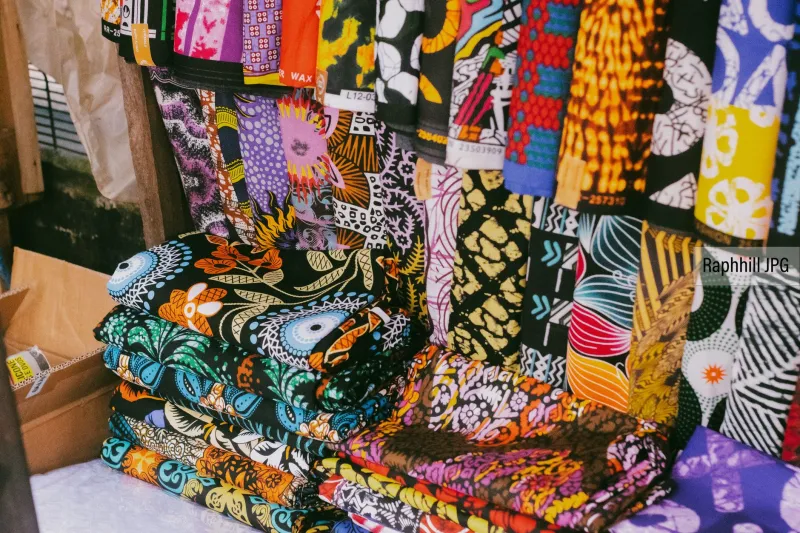
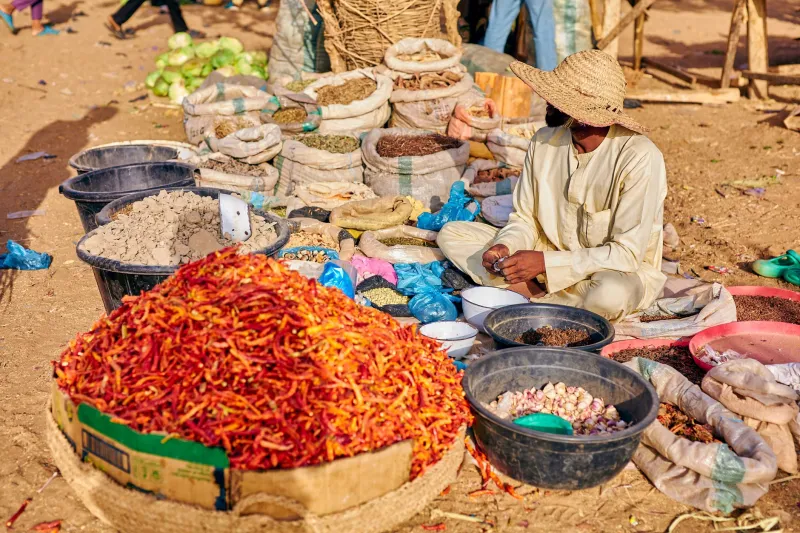
That diaspora connection is also shaping what's possible in African-focused e-commerce. Platforms built to connect African products with American consumers — whether that's food, fashion, beauty, or home goods — are tapping into a community that has deep roots on both sides of the Atlantic. The demand is real, the purchasing power is real, and the cultural appetite for authentic African goods in the US market has never been stronger.
At NaijaMartBay, we see that connection every single day. The same energy driving tech innovation in Lagos is the energy powering the demand for African goods here in the States. It's the same entrepreneurial spirit, just expressed differently.
What's Coming Next
The next wave of African tech isn't slowing down — it's accelerating. Agritech startups are using AI and satellite data to help smallholder farmers increase yields. Edtech platforms are delivering quality education to students in areas where qualified teachers are scarce. Cleantech companies are building solar microgrids for communities that the traditional power grid has never reached.
And the investors following all of this? They're increasingly mainstream. Andreessen Horowitz, Tiger Global, and Sequoia have all made moves into African markets. Goldman Sachs has taken notice. The days of African tech being a niche conversation in development finance circles are over.
For American consumers and entrepreneurs alike, the takeaway is simple: Africa isn't a market of the future — it's a market of right now. The founders building there are world-class. The problems they're solving are massive. And the opportunity to connect, collaborate, and commerce across that divide has never been more accessible.
The continent is open for business. Are you paying attention?